

Does Paying Off Collections Really Boost Your Credit Score
- Guard My Credit

- 3 hours ago
- 4 min read
When you see a collection account on your credit report, it can feel like a heavy weight dragging your score down. Naturally, you might think that paying off those collections will quickly improve your credit score. But the reality is more complex. Understanding how collections affect your credit and what happens when you pay them off can help you make smarter financial decisions.
This post breaks down the impact of collections on your credit score, what changes after you pay them, and how to handle collections in a way that supports your financial health.
What Are Collections and How Do They Affect Your Credit?
Collections happen when a creditor gives up on getting paid and sells your debt to a collection agency. This usually occurs after 180 days of missed payments. Once an account goes to collections, it shows up on your credit report as a negative mark.
Impact on your credit score:
Collections are one of the most damaging items on your credit report.
They can lower your score by 50 to 100 points or more, depending on your credit history.
The presence of a collection account signals to lenders that you have trouble paying debts on time.
Collections stay on your credit report for up to seven years from the date of the original delinquency, even if you pay them off.
Does Paying Off Collections Remove the Negative Impact?
Paying off a collection account does not automatically remove it from your credit report. The account will still appear, but it will be marked as "paid" or "settled." This distinction matters because:
Paid collections show you took responsibility for the debt.
Unpaid collections suggest ongoing financial risk to lenders.
While paying off collections does not instantly boost your credit score, it can improve your chances of getting approved for new credit because lenders prefer to see debts resolved.
How Credit Scoring Models Treat Paid Collections
Different credit scoring models handle paid collections differently:
Older FICO scores may not differentiate between paid and unpaid collections; both hurt your score.
Newer FICO 9 and VantageScore 3.0 and 4.0 ignore paid collection accounts, meaning your score can improve once you pay off the debt.
Unfortunately, many lenders still use older scoring models, so the benefit of paying off collections might not show up immediately in your credit score.
When Paying Off Collections Can Help Your Credit
Paying off collections can help your credit in several ways beyond the score itself:
Stops additional fees and interest from accruing on the debt.
Prevents legal action like lawsuits or wage garnishment.
Improves your credit report’s appearance by showing you resolved the debt.
Increases your chances of loan approval since lenders see you as less risky.
If you negotiate with the collection agency, you might be able to get a "pay for delete" agreement, where they remove the collection from your credit report after payment. This is not guaranteed but worth asking.

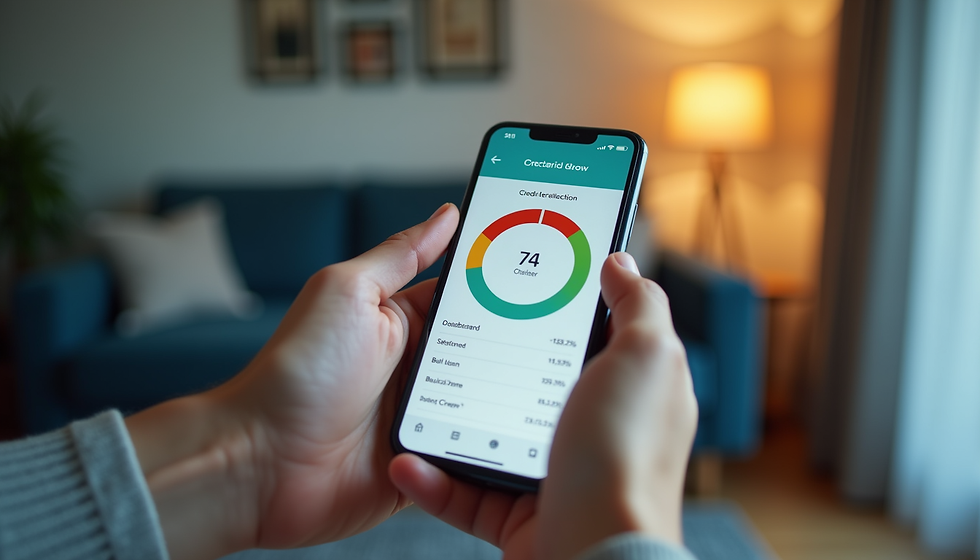
Image caption: Close-up of a credit report showing a collection account marked as paid, illustrating the impact on credit history.
How to Handle Collections to Protect Your Credit
If you have collections on your credit report, here are practical steps to manage them:
Verify the debt: Request validation from the collection agency to confirm the debt is yours and accurate.
Check the statute of limitations: Know how long a debt can be legally collected in your state.
Negotiate payment: Try to settle for less than the full amount or arrange a payment plan.
Request pay for delete: Ask the collector to remove the account from your credit report after payment.
Keep records: Save all correspondence and payment confirmations.
Monitor your credit report: Check that paid collections are updated correctly.
What Happens If You Don’t Pay Collections?
Ignoring collections can lead to:
Continued damage to your credit score.
Collection calls and letters.
Potential lawsuits and wage garnishment.
Difficulty getting new credit, housing, or even jobs.
While unpaid collections hurt your credit, paying them off responsibly can stop further damage and improve your financial standing over time.
How Long Does It Take to Recover Your Credit After Collections?
Credit recovery depends on several factors:
The age of the collection account.
Whether you pay it off or leave it unpaid.
Your overall credit history and current credit behavior.
Generally, collections remain on your report for seven years, but their impact lessens over time. Paying off collections and maintaining on-time payments can help rebuild your credit within 12 to 24 months.
Alternatives to Paying Off Collections
If paying off collections is not immediately possible, consider these options:
Dispute inaccurate collections: If the debt is not yours or has errors, dispute it with the credit bureaus.
Wait for the collection to age off: After seven years, collections drop off your report.
Focus on positive credit activity: Build positive credit through timely payments on other accounts.
Seek credit counseling: Professional help can guide you through debt management.
Final Thoughts on Paying Off Collections and Your Credit Score
Paying off collections does not guarantee an instant credit score boost, but it stops further damage and shows lenders you are responsible. Newer credit scoring models reward paying off collections, but many lenders still use older models that do not.


Comments